A Fender Bass Truss Rod That Just Spins
LikeCommentShare
Search the Hub or by author, or tap a filter to narrow the feed.

 Lite members only
Unlock video
Lite members only
Unlock video

 Lite members only
Unlock video
Lite members only
Unlock video

 Lite members only
Unlock video
Lite members only
Unlock video


 1 reply
 2 replies
 3 replies


 Lite members only
Unlock video
Lite members only
Unlock video

 4 replies
 1 reply

 1 reply
 2 replies

 Lite members only
Unlock video
Lite members only
Unlock video
Question about splines: At what point are they necessary?
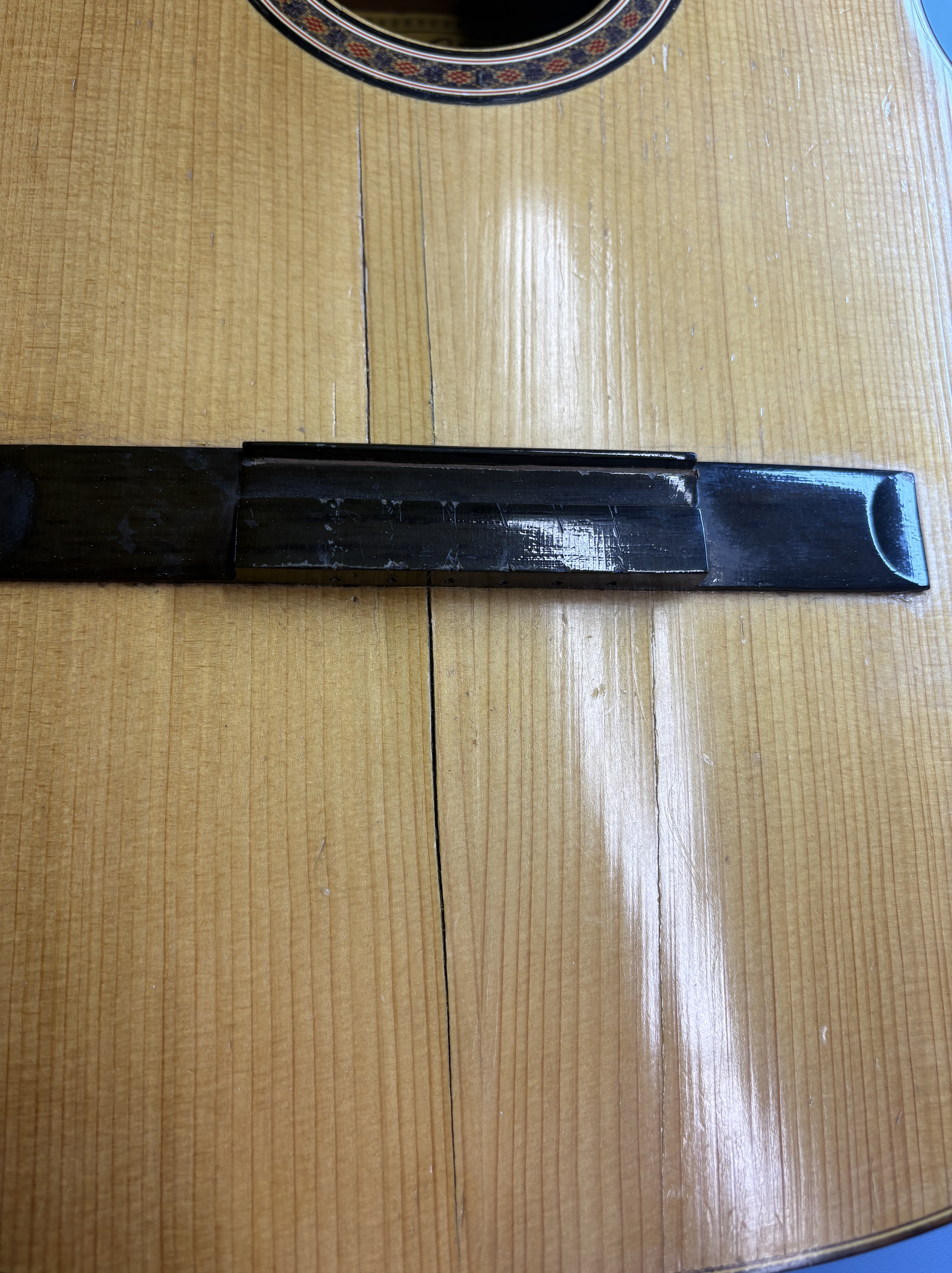
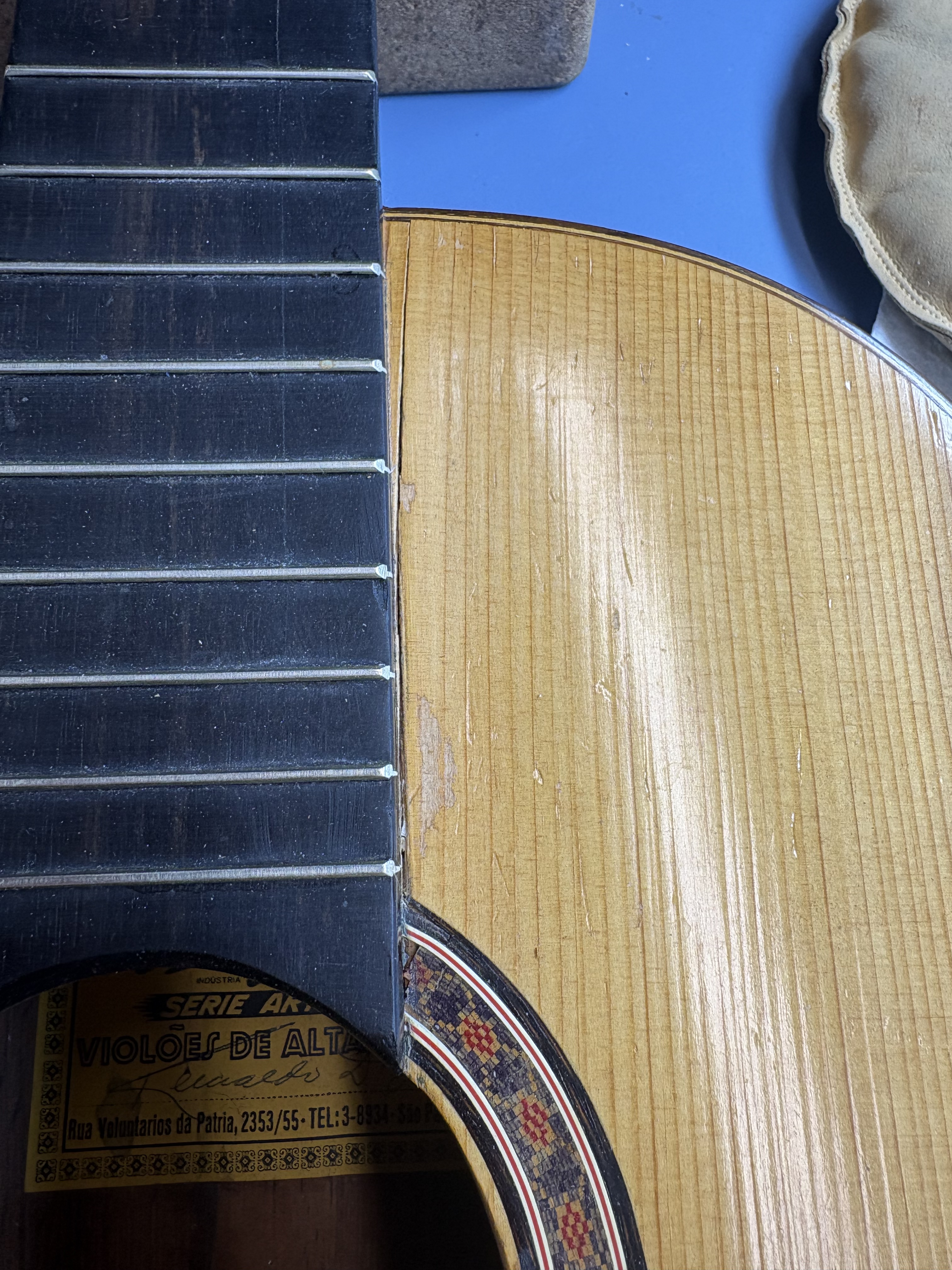
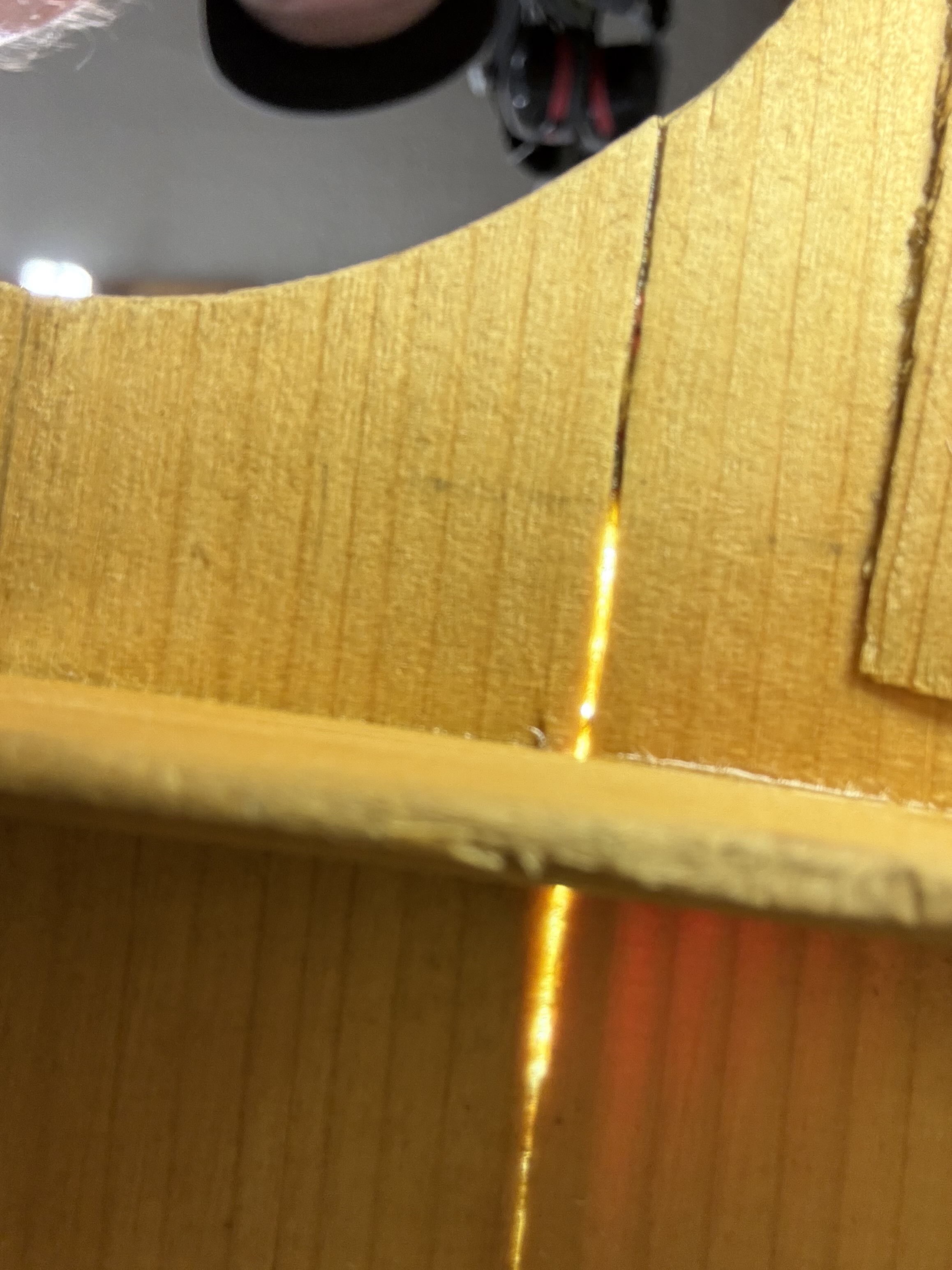
My question is primarily regarding the crack to the left between the bridge and the sound hole as well as the crack at the upper bout that runs along the fingerboard extension. I have already glued them both and used the TJ cleats that run the full length of the cracks.
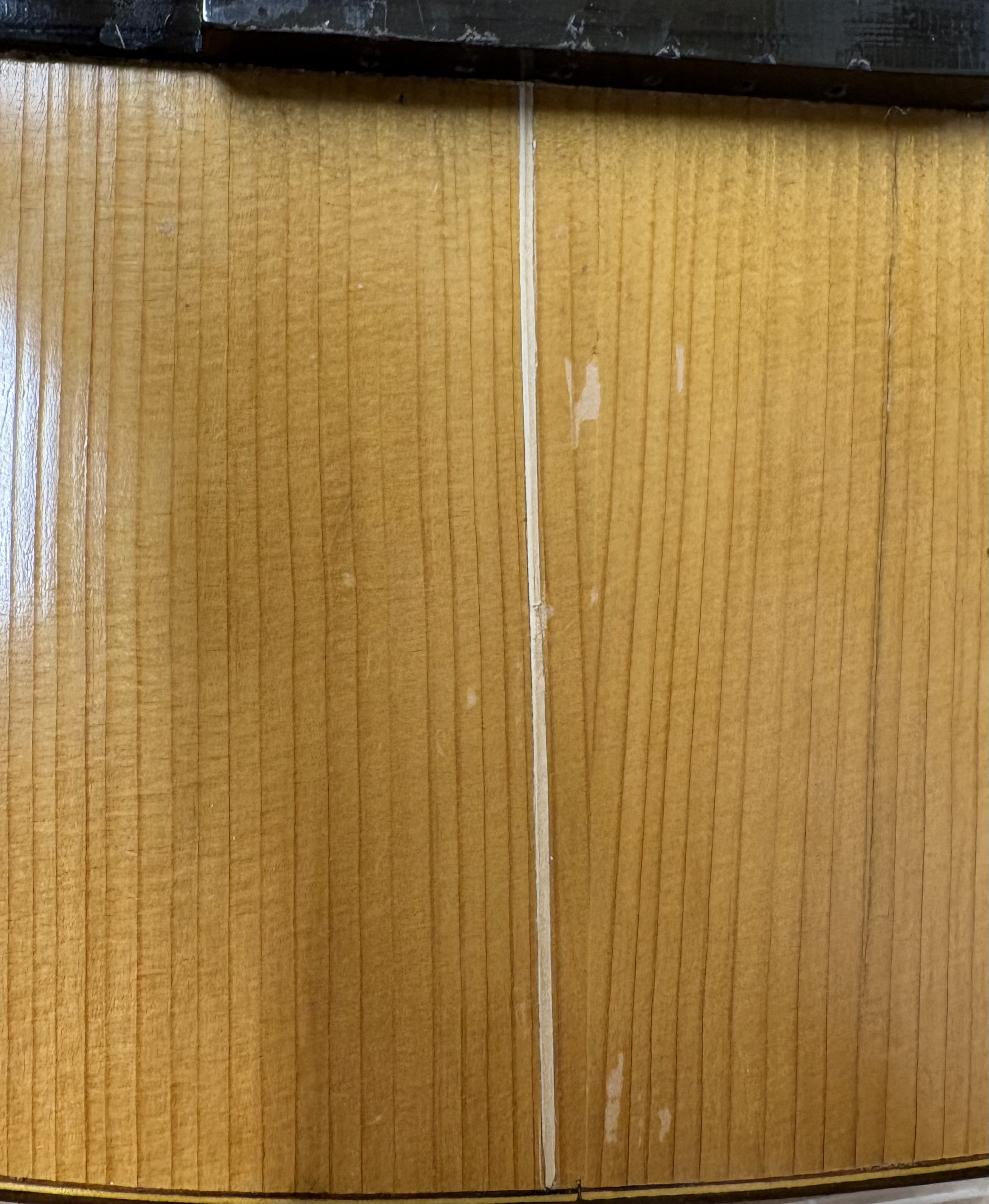
I have already splined the lower bout crack that runs from the bridge to the binding as it was super gappy and dirty and I’m fairly happy with the results so far. However, it was a fair amount of work that I didn’t anticipate or build into the original estimate.
Ultimately, I will revise the estimate and let the customer decide, but wanted feedback on whether or not the two remaining cracks would be structurally sound given the cleating method I chose to use.
The guitar in question is a 1969 Di Giorgio, Autor No 3 from San Paulo, Brazil, Brazilian rosewood, spruce top. The owner purchased it new in Brazil and it definitely has sentimental value to her. I estimate after repairs, it might be valued somewhere between $1500-2500 conservatively.
Thank you, thank you and thank you.